
Digging up potatoes and root vegetables is a labour of love, but it can also take a toll on the soil. By incorporating BioChar into their cultivation practices, growers can improve their harvests and also build a more resilient and sustainable soil ecosystem. Let us explain how…
Introduction:
Imagine digging into your garden and encountering rich, fertile soil extending meters deep, teeming with life like no other has seen. This isn’t a myth; it’s the reality of Terra Preta, ancient human-made soil with a fascinating story to tell.
Today, we invite growers to unlock deep soil secrets for sustainable growing right in your own patch. By integrating BioChar into your cultivation practices, you’re not just improving your current yields; you’re investing in the health of your soil for decades to come. Let’s take you on a journey deep into your fertile land legacy.
Enhancing Nature’s Way with a Touch of Human Wisdom
Our Amazonian ancestors fostered an integrated practice of integrating BioChar at regular opportunities into their fields for generations. That lasting legacy of Anthropomorphic (Human made) Soil is now known as Terra Preta, which stands out for its exceptional fertility and depth, sometimes exceeding two meters deep, unmatched anywhere else in the world. This achievement is testament to their wisdom and commitment to regenerative farming practices.

Overturning Soil Disturbance into an Opportunity
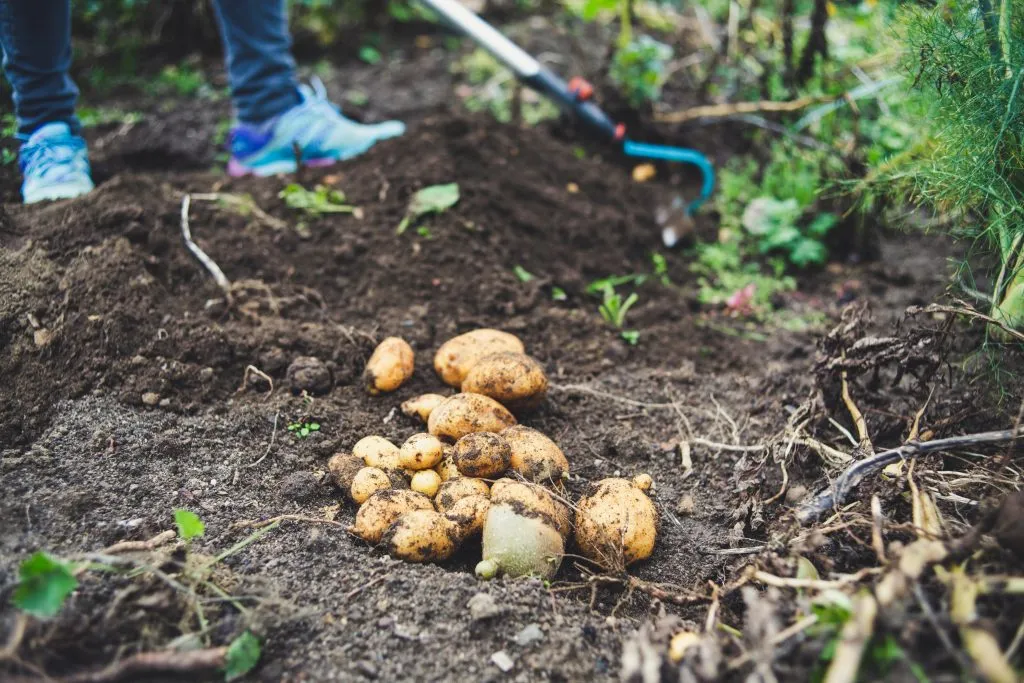
Think about the last time you harvested potatoes or other root vegetables. You dug into the earth, pulling up your bounty, disturbing the soil structure. While no-dig gardening is ideal, we can leverage these moments of disruption to introduce Biochar into the deeper layers.
Biochar and the Depths of Fertility
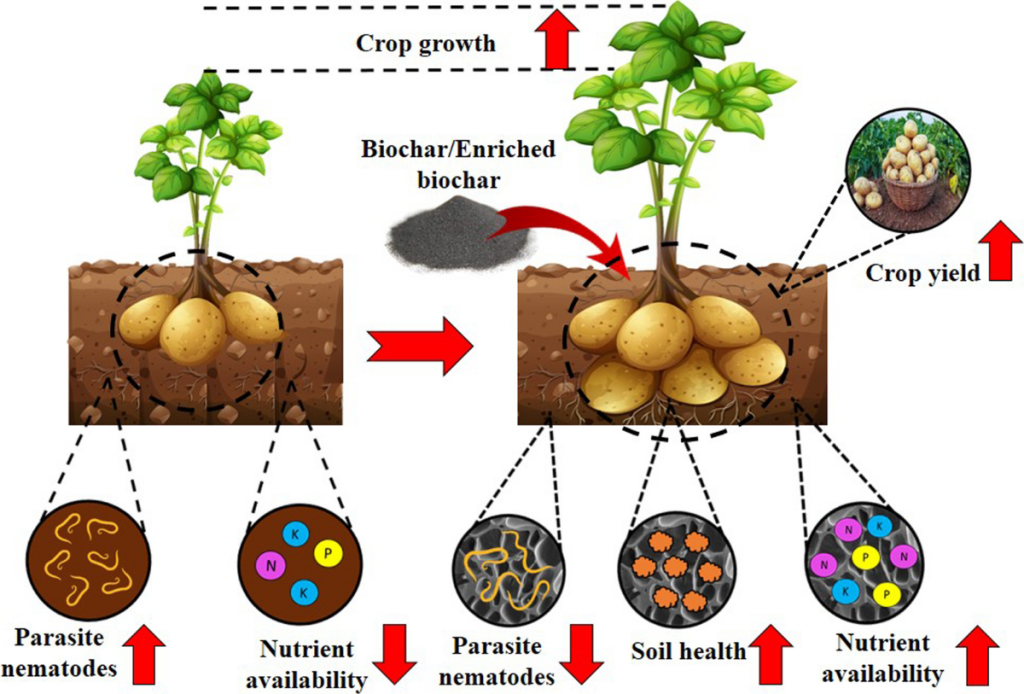
Why is Terra Preta so fertile? The secret lies in the balance between Soil Organic Matter (SOM) and Fixed Carbon throughout the soil profile. [1][2] When you add Biochar to the deeper layers of your soil, you begin to replicate the conditions that allowed ancient civilizations to cultivate thriving food forests for generations.
Imagine the roots of your crops accessing a treasure trove of minerals and resources, previously locked away in the bedrock. This is the potential that Biochar unlocks. It creates a thriving ecosystem where specialized bacteria and fungi can work their magic, breaking down minerals such as phosphorus, and making them available to your plants. [3] In areas of Terra Preta soils, scientists have discovered insects and micro-organisms completely unique to that environment [4]– testament to the power of this soil-building relationship.
Building Your Own Terra Preta: A Legacy in the Making
Creating a legacy of fertile soil, like the ancient Terra Preta, requires patience and a deep understanding of nature’s rhythms. It’s a process that can only happen “in situ”– meaning it must in produced in place, layer by layer, over time. YouTuber “David The Good” attempts to do this overnight, digging deep pits and mimicking the Terra Preta soil profile as he layers in organic matter and biochar.
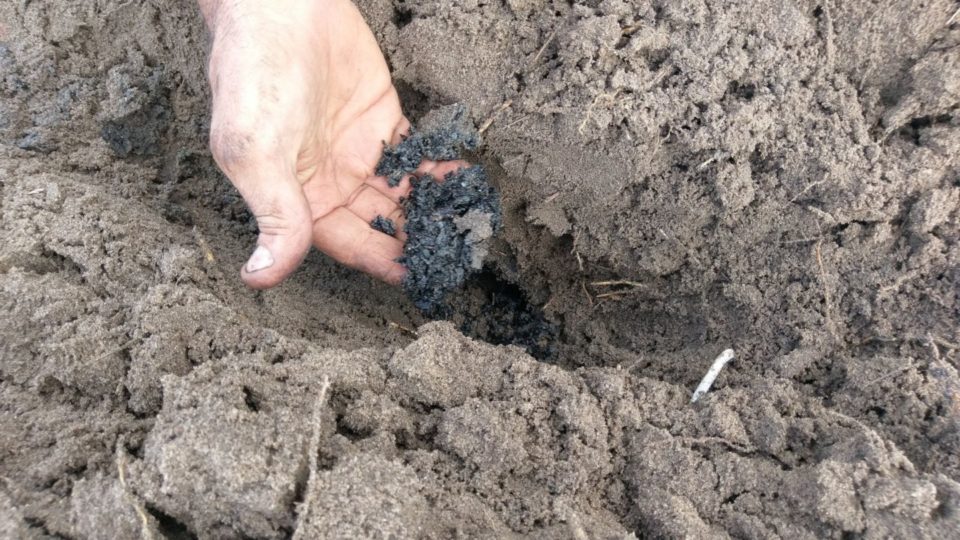
The truth is soil fertility isn’t something you can just dig in and import. [5] It’s about fostering a living web of organisms and interactions. One cubic centimetre of soil takes nature up to 1000’s years to build [5], and just one square centimetre of damage can set back mycorrhizal fungi growth up to half a year [6]! But with the addition of BioChar and organic matter, this rate can be significantly accelerated.
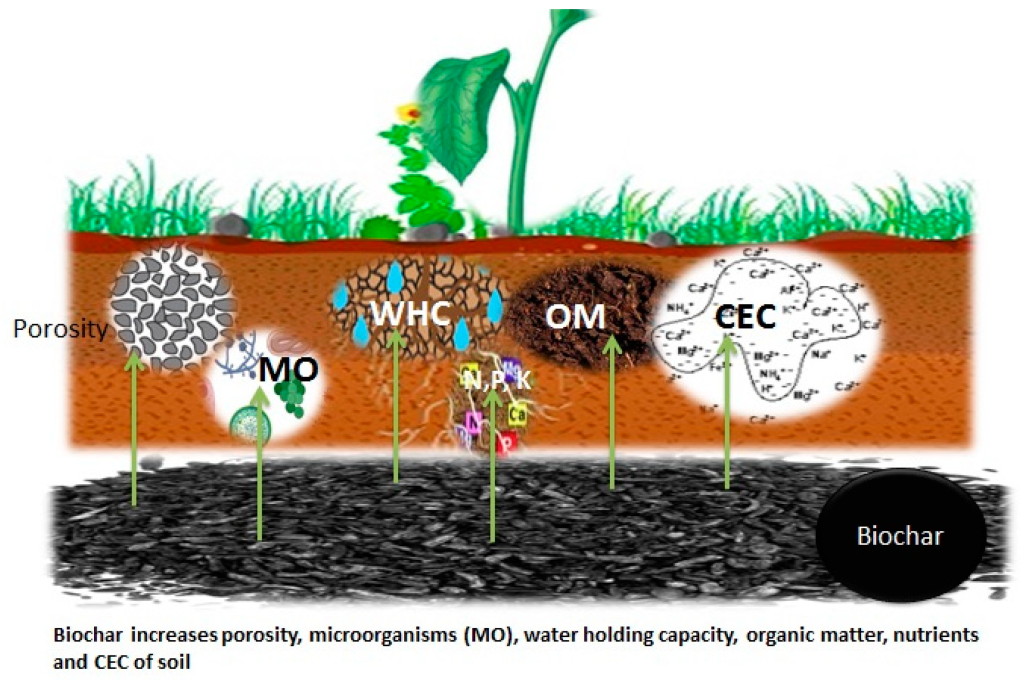
This can be done, simply, by :
1. Organic Matter Mix: Combine BioChar with organic matter such as compost, manure, and plant residue mulches. This not only provides food for soil organisms but also helps to stabilize the BioChar in the soil.
2. Adding BioChar into Disturbed Soil: Incorporate BioChar into deeper layers of your soil profile to access nutrients locked deeper beneath the surface, enhancing nutrient uptake.
3. Long-Term Management: Understand that building Terra Preta is a lifelong practice passed down from ancestors.
Practical Steps to Integrate BioChar into Your Farming Practice
Embracing BioChar doesn’t require a complete overhaul of your current methods but rather strategic integration that respects the natural rhythms of your land. Here are some practical steps to make the most of it:
1. Soil Assessment: Understand your soil’s current health and composition to determine the optimal amount of BioChar to add. Consider factors like pH, nutrient levels, and texture.
2. Source Quality BioChar: Select BioChar produced from sustainable sources, such as agricultural waste or forestry residues, and ensure it’s suitable for your crop types.
3. Strategic Application: Incorporate BioChar into your soil before planting or during fallow periods. Consider using no-till or minimum-till methods to preserve soil structure and microbial life.
4. Crop Rotation and Cover Crops: Implement a diverse crop rotation system and use cover crops to further enhance soil health, reduce erosion, and break pest and disease cycles.
5. Monitor and Adjust: Regularly assess your soil’s health and crop performance. Use this information to adjust your BioChar application rates and farming practices as needed. Remember, building fertile soil is a long-term investment.
Be a BioChar Champion
As horticulturists and crop growers, you hold the power to shape the future of agriculture. By adopting BioChar into your practices, you’re not just improving your yields; you’re contributing to a more sustainable and resilient food system. We invite you to join us in this movement, to embrace the interconnectedness of all life, and to cultivate a legacy of health and abundance for generations to come.
Sources:
- [1] Biochar for Environmental Management: An Evidence Base ( Lehmann & Joseph, 2015)
- [2] Zech, W. (1999). “Black carbon in Terra Preta Soils” [PDF]
- [3] The Soil Food Web (USDA Natural Resources Conservation Service)
- [4] Prehistorically modified soils of central Amazonia: a model for sustainable agriculture in the twenty-first century
- [5] Master Gardener Handbook Chapter 5: Soils and Fertilizers